Share & Connect. Collaborate. Inform & Promote. Help & Implement.

Art, Ethics and Action: ORS Brings Silence on the Streets to the University of Rhode Island


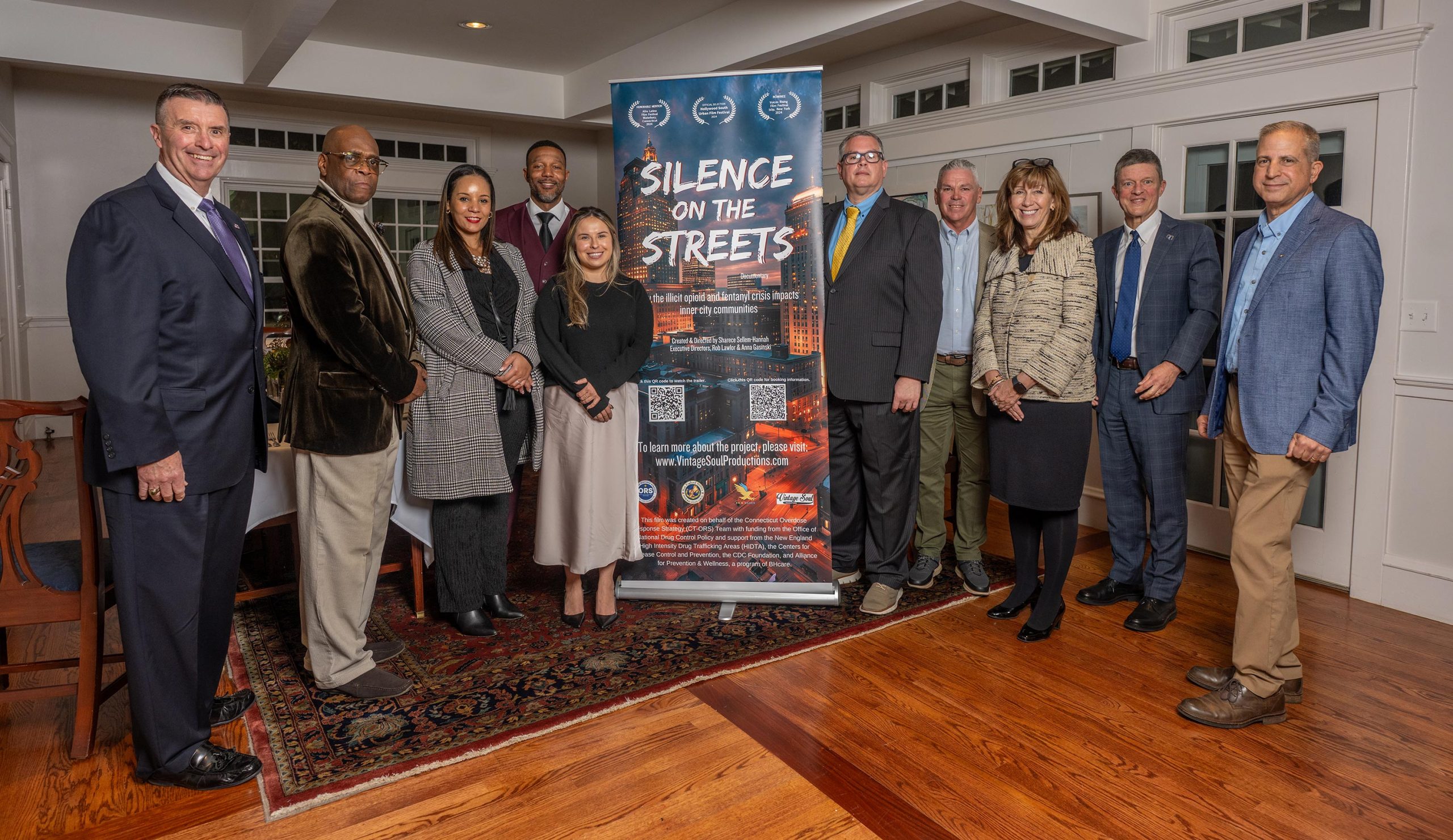
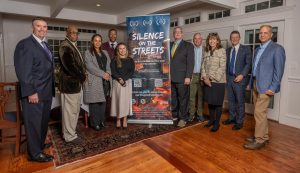
Pictured left to right are New England HIDTA Deputy Director Dave Kelley, Peer Recovery Coach Donald Rose, Sharece Sellem-Hannah, David Hannah, CT PHA Anna Gasinski, CT DIO Bobby Lawlor, New England HIDTA ORS Coordinator Jack Foster, URI Provost and Executive Vice President for Academic Affairs Barbara Wolfe, URI President Marc Parlange and RI PHA Tom Chadronet.

In November 2025, the Connecticut and Rhode Island Overdose Response Strategy (ORS) teams partnered with the University of Rhode Island (URI), New England HIDTA and filmmaker and community educator Sharece Sellem-Hannah to host a week-long storytelling residency designed to advance overdose prevention education among college-aged young adults. Held in recognition of the 30th Anniversary of the John Hazen White Sr. Center for Ethics and Public Service, the residency demonstrated how culturally grounded storytelling can deepen understanding of the overdose crisis and strengthen collaboration across public health, law enforcement and higher education.

Working closely with URI faculty and leadership, the CT and RI ORS teams developed a learning series that blended creative arts, ethics, research, public health and public safety. CT and RI ORS teams, alongside New England HIDTA leadership, jointly planned and delivered the residency, modeling the collaborative approach that defines the ORS network.

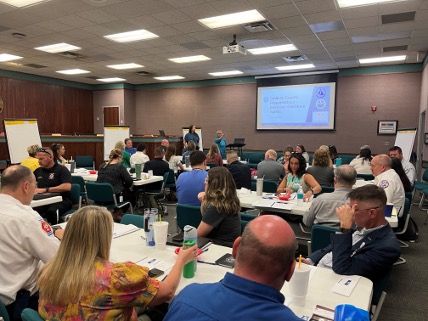
Across five days, ORS teams and partners engaged more than 500 students, faculty and community members through facilitation of classroom discussions, creative workshops, student forums and community panels. Students from criminal justice, theatre, film arts and related fields explored how data and lived experience inform one another, how creative expression can support community-based overdose prevention and how compassionate, non-judgmental communication reduces barriers to care. Engagement extended beyond the classroom as faculty and tribal leaders joined lunch and learn sessions on drug trends and prevention gaps. Students also led conversations that opened space for honest dialogue on race, trauma, substance-use misconceptions and access to care. These sessions surfaced opportunities for future curriculum development and campus-based prevention work.

The residency concluded with a screening of the Silence on the Streets documentary that drew more than 350 attendees and sparked student interest in continued engagement, volunteer opportunities and campus-based prevention initiatives. By pairing creative storytelling with public health strategy, the residency strengthened cross-state ORS collaboration, expanded university partnerships for long-term prevention work and advanced efforts to counter perceptions surrounding substance use.