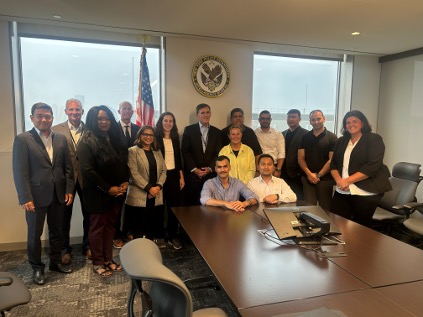
Delaware, Mississippi, Tennessee, Maryland and Alaska Teams
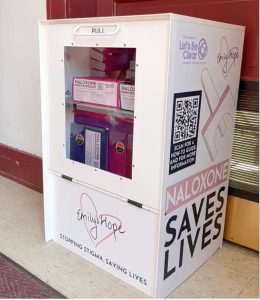 Demonstrating how collaboration can turn funding into impactful action, South Dakota is expanding access to naloxone through innovative partnerships, resource investments and coordinated community engagement. Using opioid settlement funds, the Attorney General’s Office, the Department of Social Services and Emily’s Hope (a non-profit organization) acquired 20,000 naloxone kits. Emily’s Hope spearheaded the first statewide distribution effort, installing AED retrofits and newspaper-style naloxone distribution boxes to reach communities with the greatest need. With support from the South Dakota Overdose Response Strategy (ORS) team, who connected partners with local organizations to identify priority sites, 10,385 kits (20,770 doses) have been distributed and 28 naloxone boxes installed across the state, including six on tribal reservations.

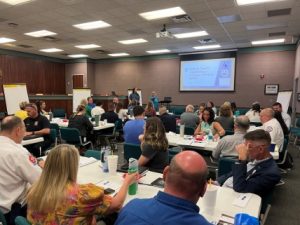
In 2025, Overdose Response Strategy (ORS) teams in multiple states partnered with the Association of State and Territorial Health Officials (ASTHO) to strengthen overdose spike
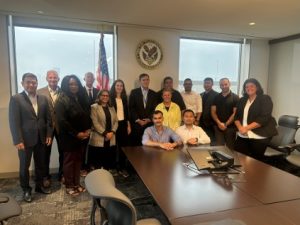
Pictured from left to right are ORS partners and staff including NY PHA Lisa Worden, NY DIO Jim Hawley, ORS Technical Advisor Nava Bastola, HIDTA
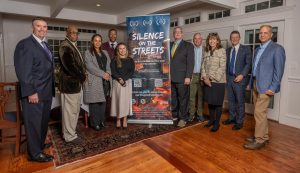
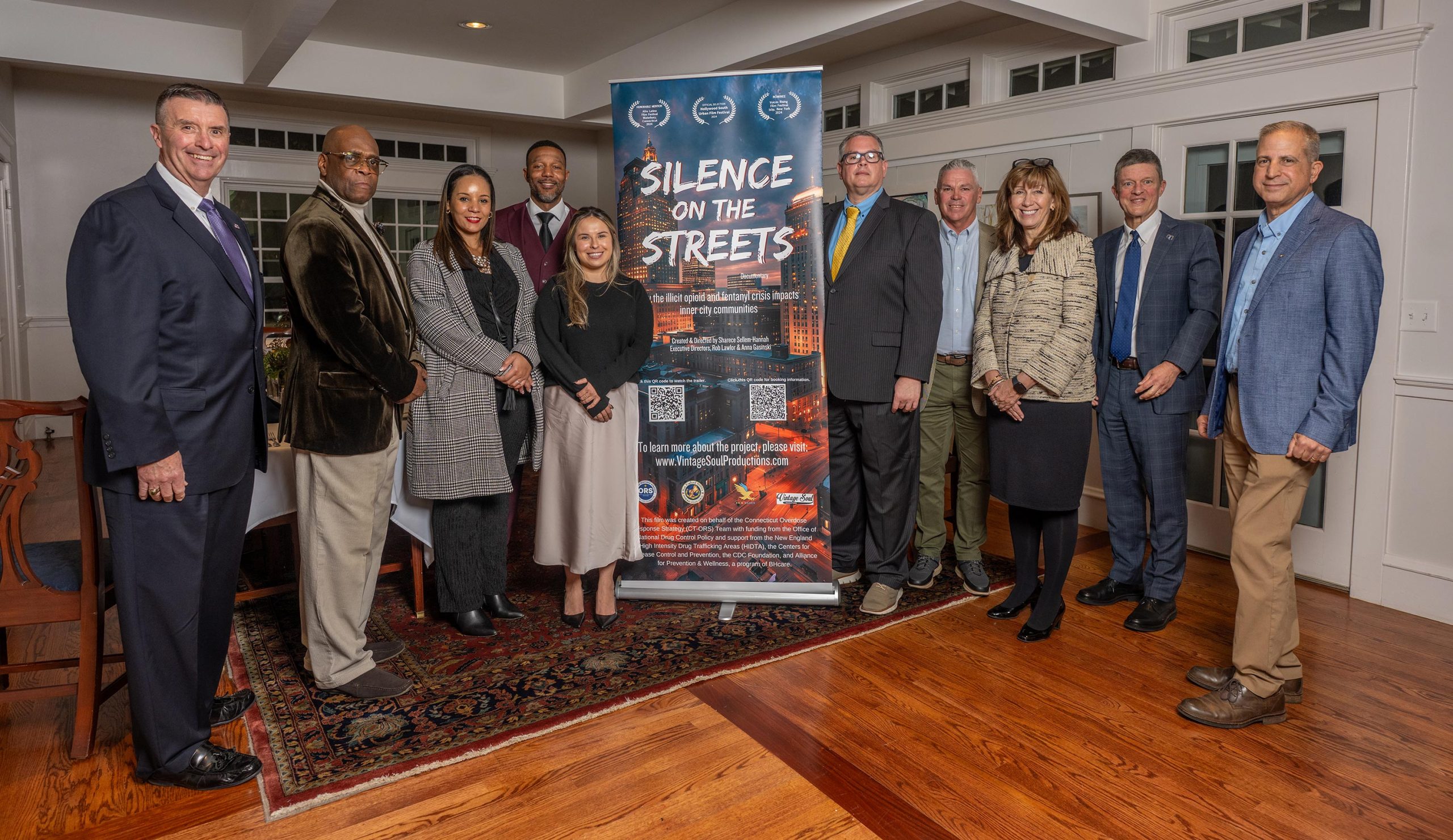
Pictured left to right are New England HIDTA Deputy Director Dave Kelley, Peer Recovery Coach Donald Rose, Sharece Sellem-Hannah, David Hannah, CT PHA Anna Gasinski,

Demonstrating how collaboration can turn funding into impactful action, South Dakota is expanding access to naloxone through innovative partnerships, resource investments and coordinated community engagement.

When a suspected opioid overdose case in southwest Virginia raised alarms about a potentially dangerous substance spreading across state lines, the Tennessee and Virginia Overdose

Youth substance use continues to be a key focus of public health efforts in Colorado, and prevention professionals across the state are working to create