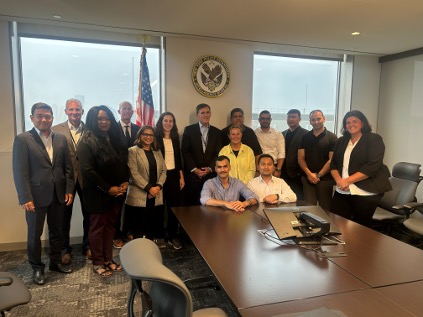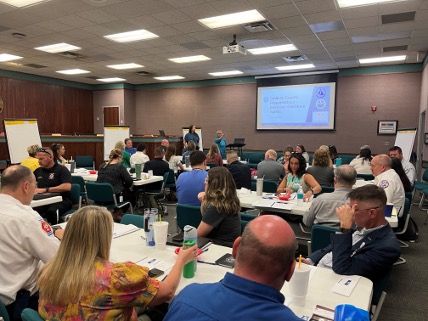
Delaware, Mississippi, Tennessee, Maryland and Alaska Teams
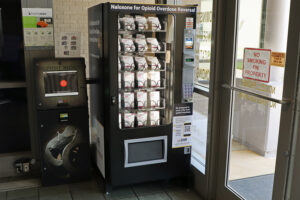
In a first for Georgia, the state’s Overdose Response Strategy (ORS) team helped launch a new initiative with the installation of a naloxone vending machine inside a law enforcement facility. The vending machine at the Newton County Detention Center provides free, secure access to naloxone for anyone visiting or leaving the facility.
This effort was made possible through sustained collaboration among the Georgia ORS team, the District Public Health Analyst for GNR Public Health (a three-county public health department serving Gwinnett, Newton and Rockdale Counties) and the Newton County Sheriff’s Office. Since 2019, the Georgia Drug Intelligence Officer (DIO) has built strong relationships with law enforcement, including the head of the narcotics unit in Newton County, while promoting the use of the Overdose Mapping Application Program (ODMAP). The Georgia Public Health Analyst (PHA) presented data on the heightened overdose risk faced by individuals leaving incarceration and led feasibility discussions with partners on placing the vending machine in the jail lobby.
To use the machine, individuals request a token from a detention center administrator, redeemable for a naloxone kit with a QR code linking to step-by-step instructions on how to safely administer the medication. This initiative comes at a critical time for Newton County and Georgia as a whole. Since 2024, ODMAP has recorded 15,457 opioid overdose incidents requiring emergency response statewide. Newton County accounted for 173 of those incidents, about 1.12 percent of the state total—with naloxone administered in 113 cases, or roughly 65 percent of local responses. By improving access to naloxone, this initiative closes critical gaps in overdose prevention and provides an example of public health and public safety collaboration for other law enforcement agencies across the state, strengthening community safety.

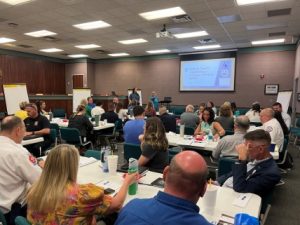
In 2025, Overdose Response Strategy (ORS) teams in multiple states partnered with the Association of State and Territorial Health Officials (ASTHO) to strengthen overdose spike
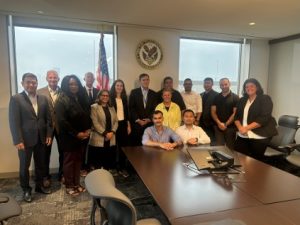
Pictured from left to right are ORS partners and staff including NY PHA Lisa Worden, NY DIO Jim Hawley, ORS Technical Advisor Nava Bastola, HIDTA

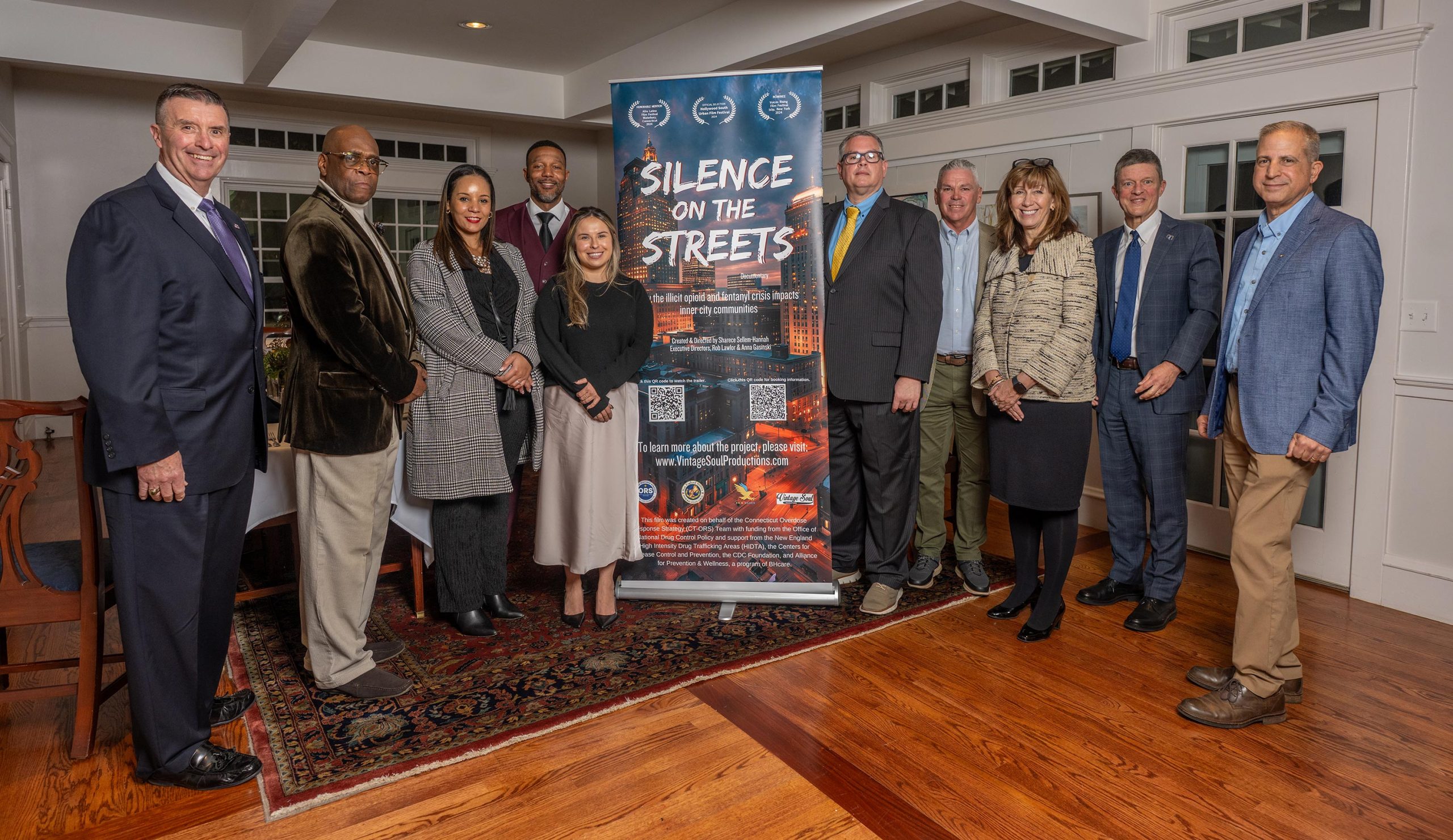
Pictured left to right are New England HIDTA Deputy Director Dave Kelley, Peer Recovery Coach Donald Rose, Sharece Sellem-Hannah, David Hannah, CT PHA Anna Gasinski,

Demonstrating how collaboration can turn funding into impactful action, South Dakota is expanding access to naloxone through innovative partnerships, resource investments and coordinated community engagement.

When a suspected opioid overdose case in southwest Virginia raised alarms about a potentially dangerous substance spreading across state lines, the Tennessee and Virginia Overdose

Youth substance use continues to be a key focus of public health efforts in Colorado, and prevention professionals across the state are working to create