In 2025, Overdose Response Strategy (ORS) teams in multiple states partnered with the Association of State and Territorial Health Officials (ASTHO) to strengthen overdose spike preparedness through the Overdose Spike Exercise-in-a-Box Toolkit pilot program. Selected as part of a five-state cohort, ORS teams collaborated with public health, public safety and behavioral health partners to plan and conduct tabletop exercises designed to improve coordination and response to overdose spikes.
In Delaware, the ORS team partnered with the Delaware Division of Public Health and the Division of Substance Abuse and Mental Health to prepare for and host a statewide spike response tabletop exercise. In July 2025, 25 leaders from key state agencies convened at the state fusion center for a four-hour facilitated workshop. The Delaware Public Health Analyst (PHA) guided participants through discussions on surveillance, alert triggers, partner notifications, response coordination, drug testing and external messaging. The exercise allowed partners to examine current practices, identify gaps and validate existing strengths, generating momentum for continued collaboration. Following the workshop, partners held follow-up meetings to address unresolved questions, and the Delaware ORS team shared lessons learned with ASTHO and the ORS Overdose Spike Response Learning Community.
In Mississippi, the ORS team and state partners participated in the pilot through a series of guided planning sessions and mock scenario exercises held from March through June 2025. The exercises brought together public health and safety partners to test a coordinated response to a mock local overdose spike, including complex challenges such as emerging drugs and cross-state coordination. The effort generated a key recommendation to develop an addendum to the state’s Comprehensive Emergency Management Plan outlining a coordinated statewide response to overdose spikes, helping formalize cross-agency collaboration and strengthen preparedness.
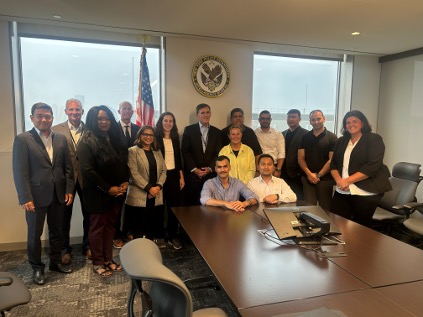
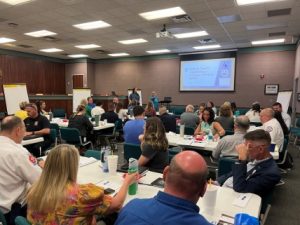 Pictured are Sullivan County partners participating in the exercise.
Similarly, in Tennessee, the ORS team partnered with Sullivan County to conduct a large tabletop exercise using the toolkit in June 2025. The exercise convened more than 50 participants from a wide range of sectors and resulted in improvements to the local overdose response plan, new partnerships and data-sharing opportunities and identification of critical gaps to inform future planning.
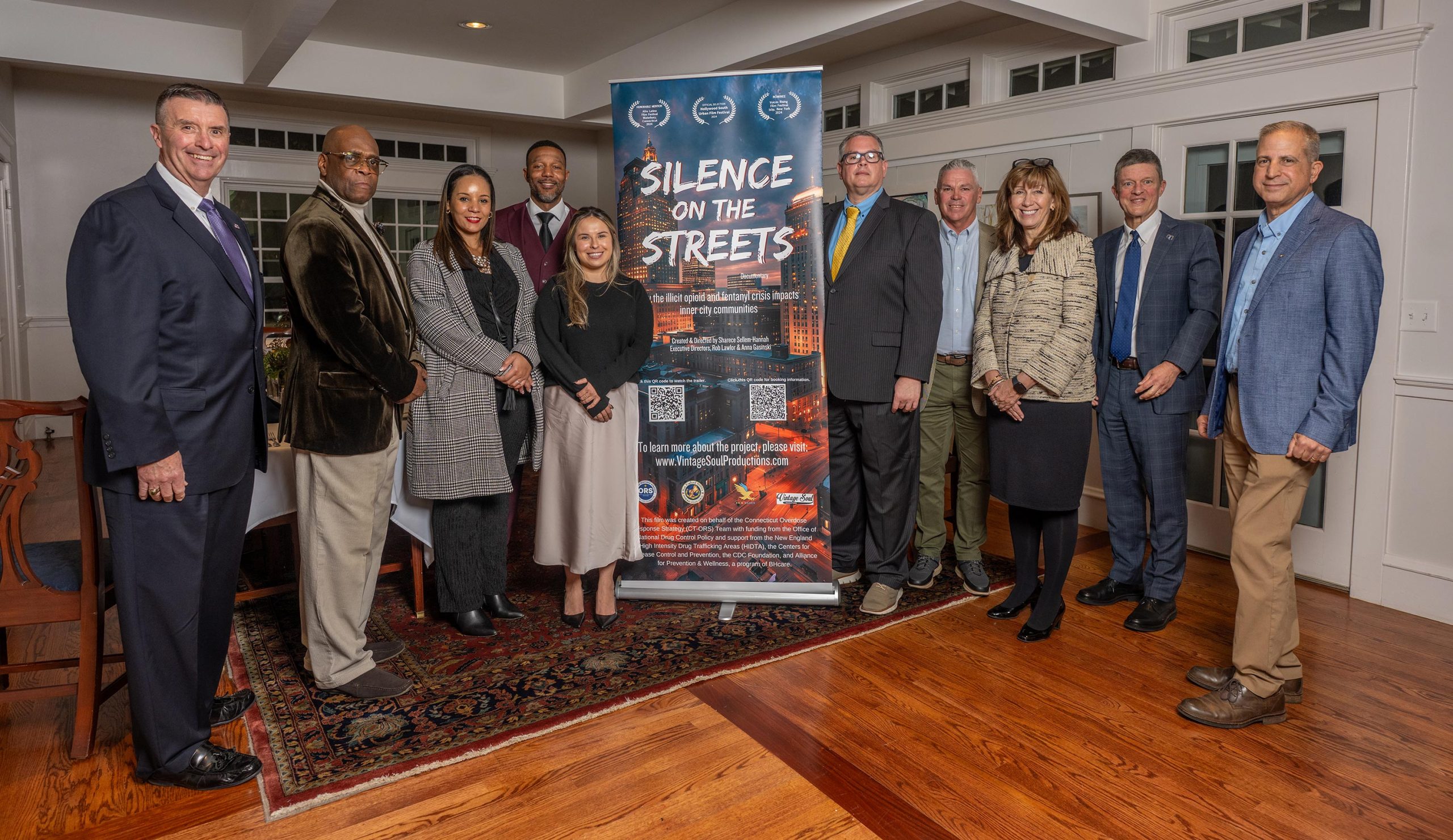
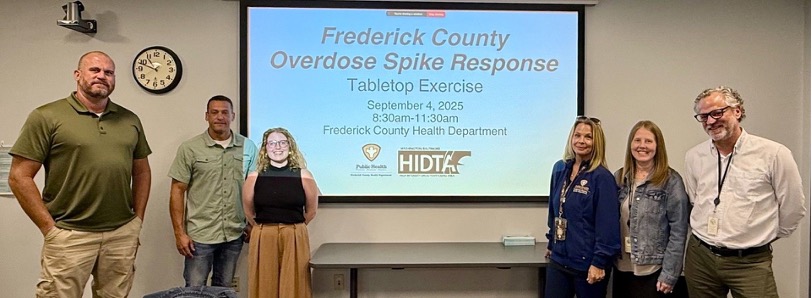 Pictured from left to right are MD DIO Brent Kluttz, Lt. Chad Atkins, MD PHA Sabrina Gattine, Michelle Marshall, Jessica Ellis and Shawn Dennison.
In Maryland, the ORS team partnered with Frederick County to host a hybrid spike response tabletop exercise. The event brought together public libraries, community organizations, public safety, public health, hospitals and law enforcement—uniting all sectors of the community involved in addressing overdose at the same table. The group tested potential weak spots and identified previously unrecognized gaps. The group also worked to clarify the definition of an overdose spike in their jurisdiction and strengthen the chain of communication in the event of an overdose spike. After the exercise, Frederick County continues to meet and improve their spike response framework.
In Alaska, the ORS team partnered with the Alaska Division of Public Health (DPH) and the Overdose Data to Action (OD2A) team to host a statewide spike response tabletop exercise. The exercise aimed to strengthen existing preparedness efforts and test a draft statewide spike response protocol. In March and April 2025, the Alaska PHA and the DPH Spike Response Workgroup convened more than 22 representatives from public and behavioral health, public safety and Tribal public health. Participants engaged in a two-part exercise that walked through spike surveillance, notification and response using a realistic urban scenario. Through this effort, agency roles and communication channels were clarified, and the draft spike response protocol was further refined.
Together, these exercises demonstrate how the ASTHO/ORS Spike Response Toolkit supports states and local partners in strengthening preparedness, improving cross-sector coordination and developing more effective responses to emerging overdose threats.