The 2026 FIFA World Cup brought international visitors to host cities and surrounding communities across the United States, creating opportunities to share information about overdose risks and response. The U.S. illicit drug supply carries significant and unpredictable risks, including the presence of fentanyl, a highly potent synthetic opioid. For international visitors who may be unfamiliar with the risks associated with the U.S. drug supply, exposure to fentanyl or other substances could increase the risk of overdose. If an overdose occurs, the people most likely to witness it may not be clinicians, but hotel staff, security personnel, food and beverage workers and others on the front lines of the visitor experience. Across the country, Overdose Response Strategy (ORS) teams prepared their communities for these risks by bringing overdose prevention education and resources to the places where visitors and workers were most likely to encounter them.
Given Delaware’s proximity to the Philadelphia and New York/New Jersey venues, as well as the state’s role in hosting an international team and their guests, the Delaware ORS team focused on preparing clinicians and medics to respond to and treat overdoses. Drawing on information shared at the 2026 ORS Annual Conference and coordination with the New York/New Jersey High Intensity Drug Trafficking Area (HIDTA) and the New Jersey Drug Monitoring Initiative (DMI), the team developed awareness messaging for partner organization leaders explaining how sharply the east coast drug supply differs from European supplies. The message reached emergency department clinicians and paramedics through the Overdose Response Center distribution list and Overdose System of Care quarterly meetings, strengthening naloxone saturation in northern New Castle County.
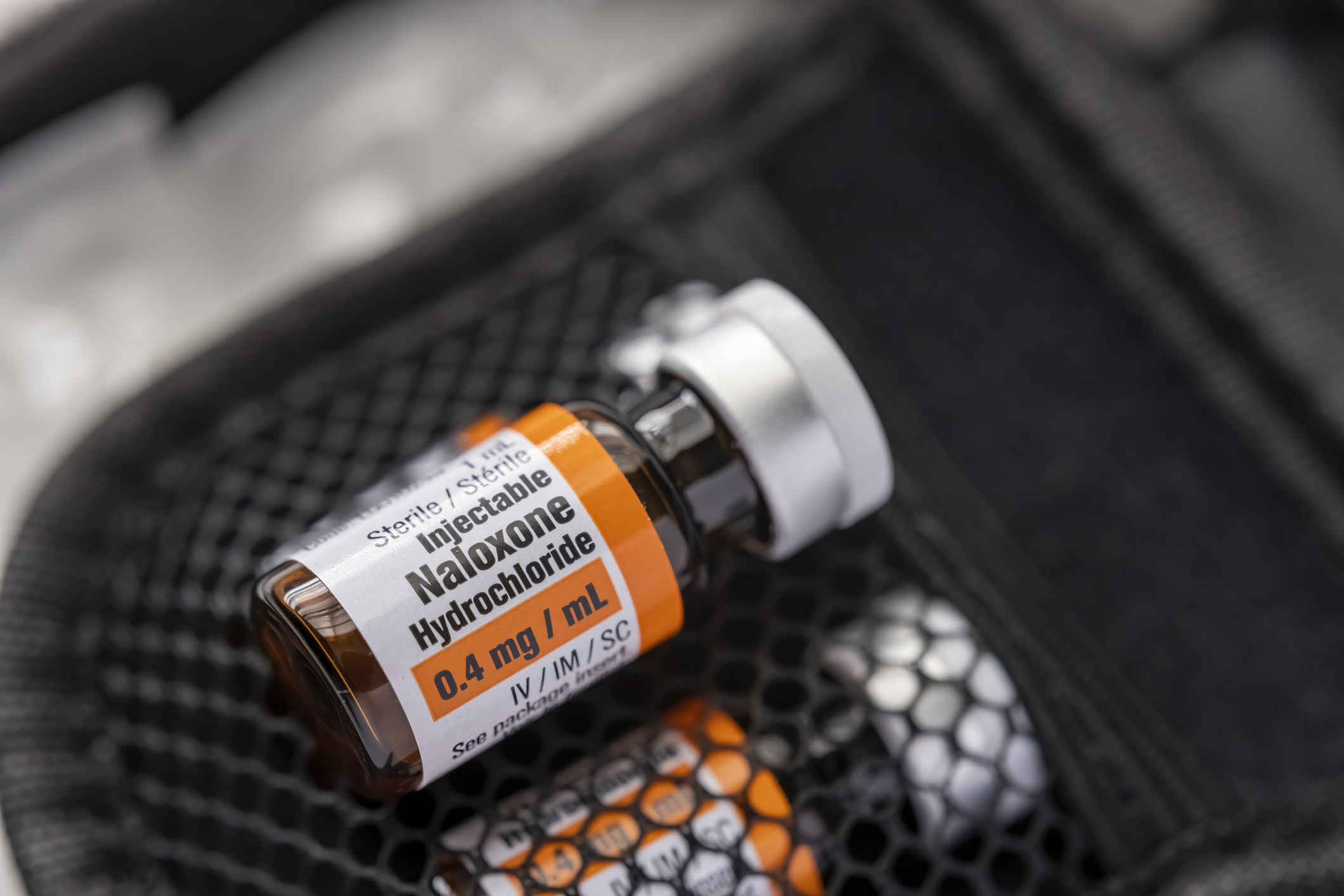
In Los Angeles, the California (LA/Riverside) ORS team focused on strengthening overdose response capacity among hotel staff working near one of the region’s highest-traffic and most visible sites for international visitors, the Los Angeles International Airport (LAX), near the World Cup stadium. To streamline their efforts, the ORS team developed an outreach tracker, standardized email template and training schedule to organize outreach and coordinate visits with hotel properties. The team then secured 300 doses of naloxone through a partnership with the nonprofit organization End Overdose and developed an evidence-based naloxone education training for hotel staff and managers. Across multiple hotel properties, the team trained 37 staff members, including managers, housekeeping, front desk and security personnel. Trainings covered recognizing the signs and symptoms of an overdose, naloxone administration, rescue breathing and compassionate aftercare, with a post-training assessment. The CA (LA/Riverside) ORS team distributed 200 naloxone doses and 40 overdose prevention materials on site, while leaving an additional 100 doses with participating properties to support continued readiness beyond the World Cup. The team also provided contact information to each property, creating opportunities for continued collaboration on overdose prevention.
In Houston, the Texas (Houston) ORS team developed a hospitality and nightlife safety readiness concept for hotels, bars, restaurants and other high-volume venues preparing for the influx of World Cup visitors. The approach included the dissemination of Naloxboxes, wall-mounted cabinets designed to store naloxone in a highly visible and accessible location, along with naloxone, first aid kits and training resources for management and security staff. The model also incorporated resources related to alcohol safety and human trafficking reporting to support broader safety preparedness at venues. Recognizing the scale of Houston’s service area and the limited time available to reach venues before the tournament, the Texas (Houston) Public Health Analyst (PHA) also shared the readiness concept, resources and lessons learned with PHAs in other jurisdictions.
Together, these efforts demonstrate how ORS teams translated a major international event into an opportunity to strengthen overdose response readiness and ensure that overdose prevention resources and knowledge were available where visitors and workers were most likely to need them.