Share & Connect. Collaborate. Inform & Promote. Help & Implement.
Expanding Access: Bringing Naloxone to Underserved Communities
Across rural and underserved areas of Texas, geographic distance, limited pharmacy access, cost and misconceptions can make naloxone and other overdose prevention resources difficult to access for people at highest risk of opioid overdose. While communities and campuses were often willing to help, they did not always know where to obtain naloxone or have the partnerships needed to bring it to their communities. The South Texas and West Texas Overdose Response Strategy (ORS) teams addressed these challenges through education, training, data reporting and partnerships, building awareness while expanding access to lifesaving resources.
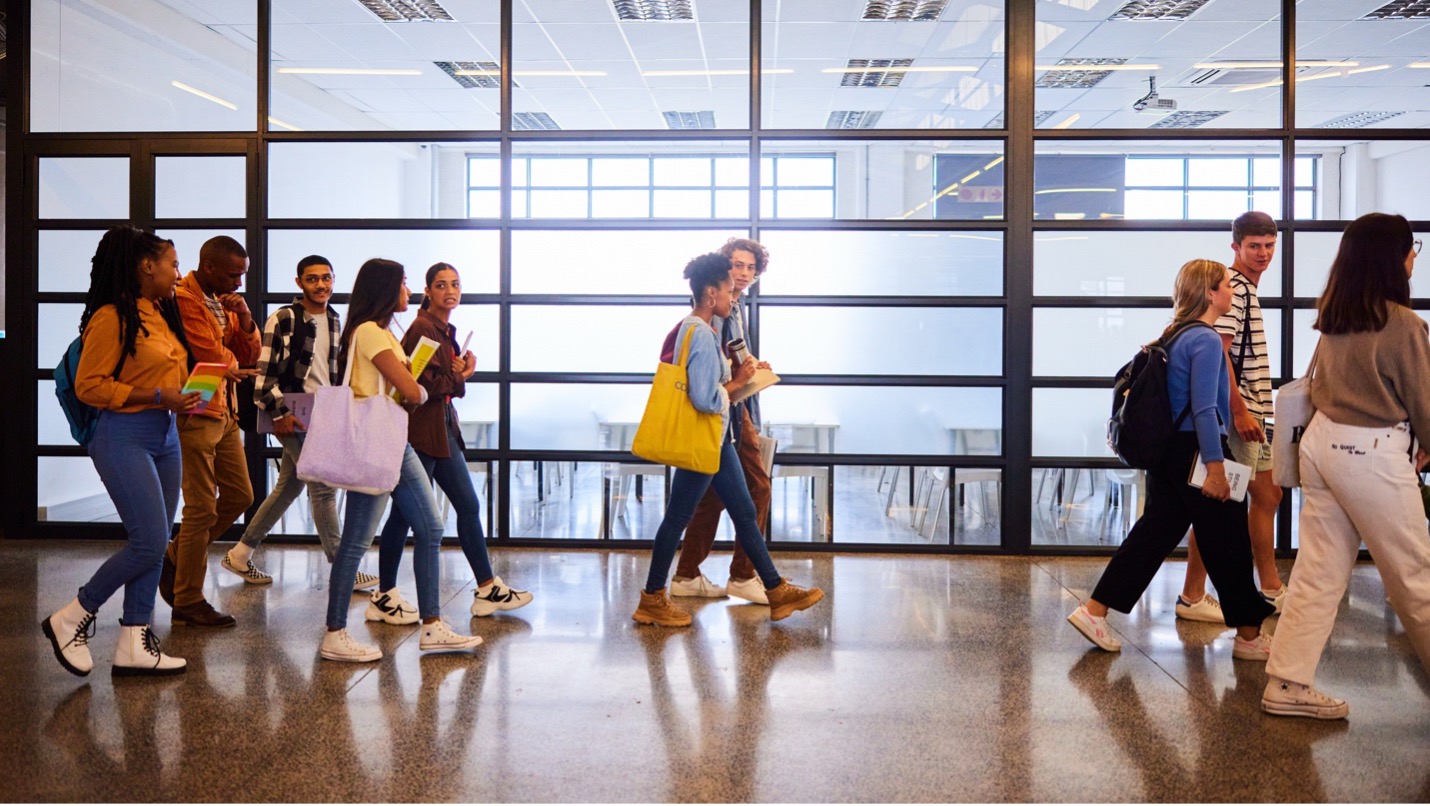
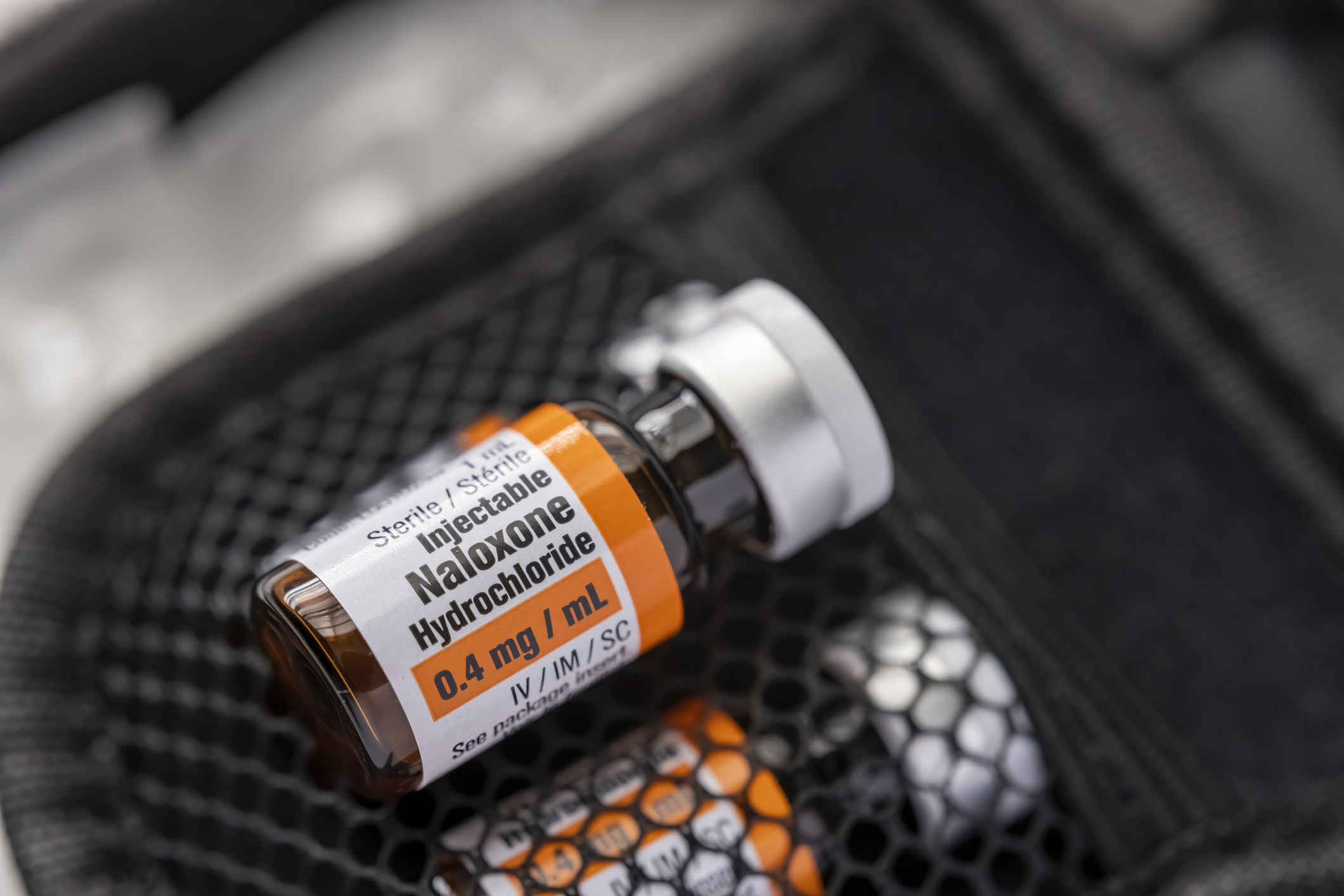
In South Texas, the ORS team and the Texas National Guard Drug Demand Reduction Outreach (DDRO) identified critical gaps in naloxone access across rural communities that were historically underserved by public health resources. The South Texas ORS team and DDRO partners moved to deploy 165 naloxone cabinets throughout six college campuses, ensuring every building had access to this lifesaving medication. Alongside cabinet placement, the ORS team and DDRO delivered education to 323 faculty and staff members through both in-person and online sessions. Training covered current fentanyl trends, the risks associated with synthetic opioids and how to recognize and respond to an overdose. By embedding naloxone cabinets within campus buildings and pairing placement with targeted education, this initiative established a sustained, community-based overdose response infrastructure across rural communities with historically limited public health resources.
In West Texas, the Public Health Analyst (PHA) connected the Texas Department of State Health Services (DSHS) with a community organization providing prevention, treatment and recovery services to individuals and families affected by substance use disorders. The PHA helped both organizations navigate available resources and move a naloxone vending machine from concept to installation.
Together, these efforts resulted in 156 naloxone cabinets being placed across five South Texas counties and a naloxone vending machine being installed at a trusted West Texas provider, expanding access in communities that previously had few options. Education gave people a reason to seek naloxone, while strong partnerships helped ensure it was available when they needed it.